7th CONF-MCEE

Innovative Environmental Engineering Strategies for a Sustainable Future


Organizer Submission Deadline Notification of Acceptance Submission Email Download
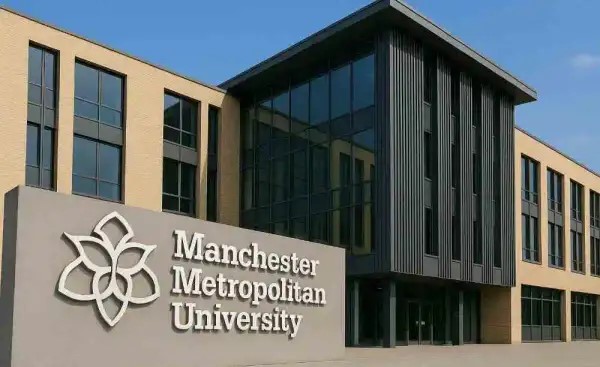
Manchester Metropolitan University January 20, 2027 7-20 workdays sympo_manchester@confmcee.org Manuscript Template

About

Background

The symposium will explore emerging innovations at the intersection of environmental engineering, clean energy, sustainability technologies, smart sensing, and artificial intelligence. The symposium aims to bring together industry leaders/practitioners, researchers and policymakers, to discuss transformative approaches for addressing climate change, resource scarcity, environmental pollution, energy security, and the transition toward resilient and sustainable societies. Emphasis will be placed on AI-enabled environmental monitoring, intelligent sensing, renewable and low-carbon energy technologies, energy efficiency, sustainable materials and processes, and data-driven environmental management. The symposium will provide a multidisciplinary platform for presenting cutting-edge research, exchanging knowledge, identifying emerging challenges, and fostering collaborations. The symposium seeks to accelerate innovative solutions that support sustainable development goals and enable a smarter, cleaner, and more resilient future by integrating sustainable engineering, advanced sensing and artificial intelligence. The symposium, which serves as a specialized session of the 7th International Conference on Materials Chemistry and Environmental Engineering (CONF-MCEE 2027), will focus on environmental engineering and energy.
Goal/Rationale

  • Bridge research and implementation: Create a platform for researchers, industry, policymakers, and practitioners to exchange knowledge and translate emerging technologies into practical solutions.
  • Advance sustainability technologies: Encourage interdisciplinary research on circular economy, sustainable materials, resource efficiency, green manufacturing, and nature‑positive technologies.
  • Foster collaboration and innovation: Build multidisciplinary partnerships that can accelerate scalable technologies supporting the Sustainable Development Goals (SDGs) and a smarter, cleaner, and more resilient future.
  • Address pressing environmental challenges: Explore innovative engineering solutions for climate change, pollution control, water and resource management, waste reduction, and ecosystem protection.
  • Accelerate clean energy transitions: Highlight advances in renewable energy, energy storage, energy efficiency, smart grids, hydrogen technologies, and low‑carbon energy systems.
  • Harness smart sensing technologies: Promote the use of IoT, sensor networks, remote sensing, and real‑time monitoring for intelligent environmental and energy management.
  • Leverage artificial intelligence: Examine how AI, machine learning, digital twins, and data‑driven analytics can improve prediction, optimization, decision‑making, and system resilience.

Scope

  • The symposium welcomes industry professionals, researchers, academics, engineers, scientists, policymakers, technology developers, and research scholars working across environmental engineering, energy, sustainability, smart sensing, and artificial intelligence.
  • The event will provide opportunities for knowledge exchange, networking, research collaboration, technology transfer, and industry–academia partnerships, enabling participants to identify emerging research priorities and develop scalable solutions.
  • Participants may present original research, emerging technologies, case studies, innovative methodologies, and practical applications addressing environmental and energy challenges.
  • Contributions are encouraged in areas including AI/ML‑enabled environmental monitoring, IoT and smart sensing, renewable and low‑carbon energy, energy storage, waste and water management, sustainable materials, circular economy, carbon management, and climate‑resilient technologies.
  • The symposium also welcomes interdisciplinary perspectives on the integration of AI, digital twins, data analytics, automation, and intelligent decision‑support systems for sustainable development.

Publication

Accepted papers of the symposium will be published in Applied and Computational Engineering (ACE) (Print ISSN 2755-2721), and will be submitted to Conference Proceedings Citation Index (CPCI), Crossref, CNKI, Portico, Google Scholar, and other databases for indexing. The situation may be affected by factors among databases like processing time, workflow, policy, etc.

Publication info

Title: Applied and Computational Engineering (ACE)
Press: EWA Publishing, United Kingdom
ISSN: 2755-2721 2755-273X (electronic)

This symposium is organized by CONF-MCEE 2027 and it will independently proceed the submission and publication process.

* The papers will be exported to production and publication on a regular basis. Early-registered papers are expected to be published online earlier.