CONF-MCEE 2026
The 6th International Conference on Materials Chemistry and Environmental Engineering (CONF-MCEE 2026) was a hybrid conference which includes several symposium series around the world. Dr. Harun Celik from Erciyes University, Dr. Ömer Burak Istanbullu from Eskisehir Osmangazi University, and Dr. Manoj Khandelwal from Federation University Australia have chaired these symposium series on related topics. CONF-MCEE 2026 provided the participants with good opportunities to exchange ideas and build networks, and it will lead to further collaborations between both universities and other societies.
Symposium Series
Department of Astronautical Engineering, Erciyes University
Symposium Chair: Dr. Harun Celik, Assistant Professor in Erciyes University
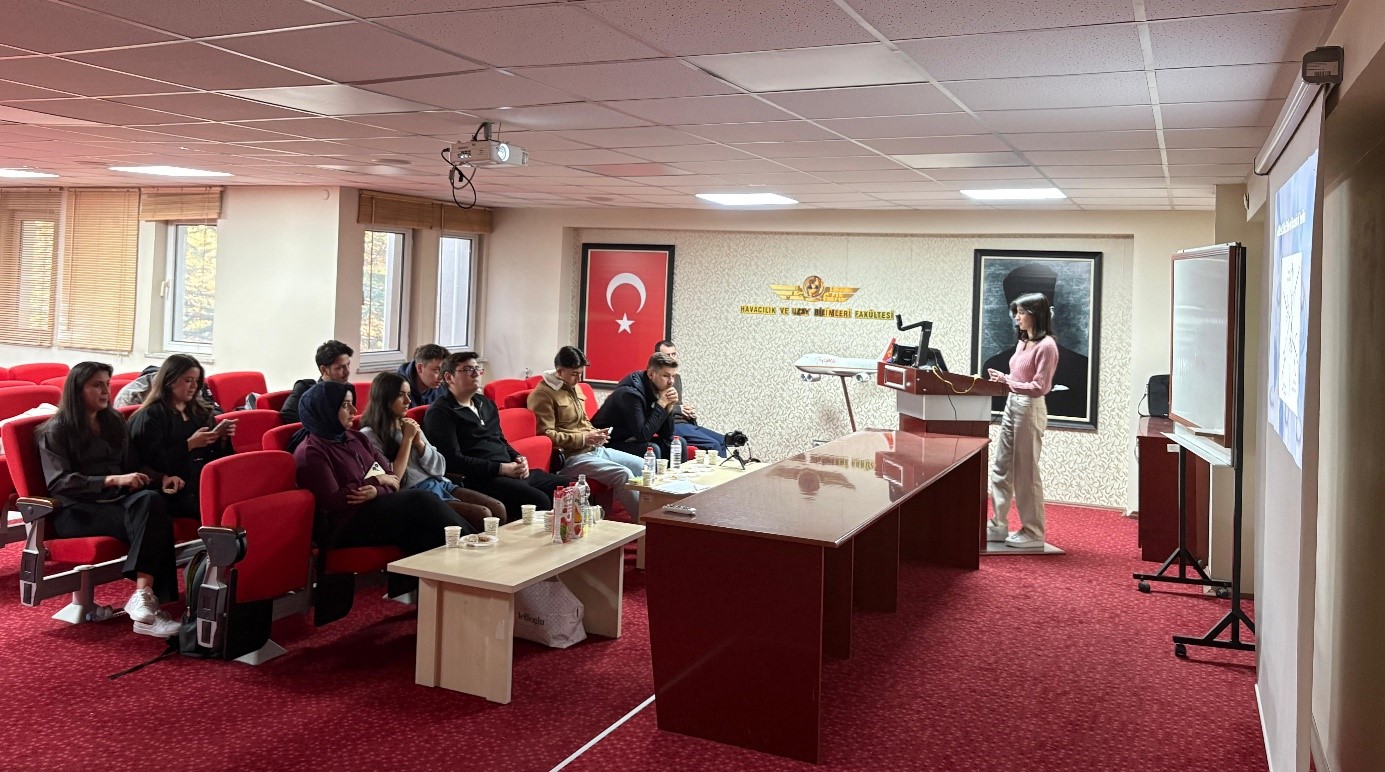
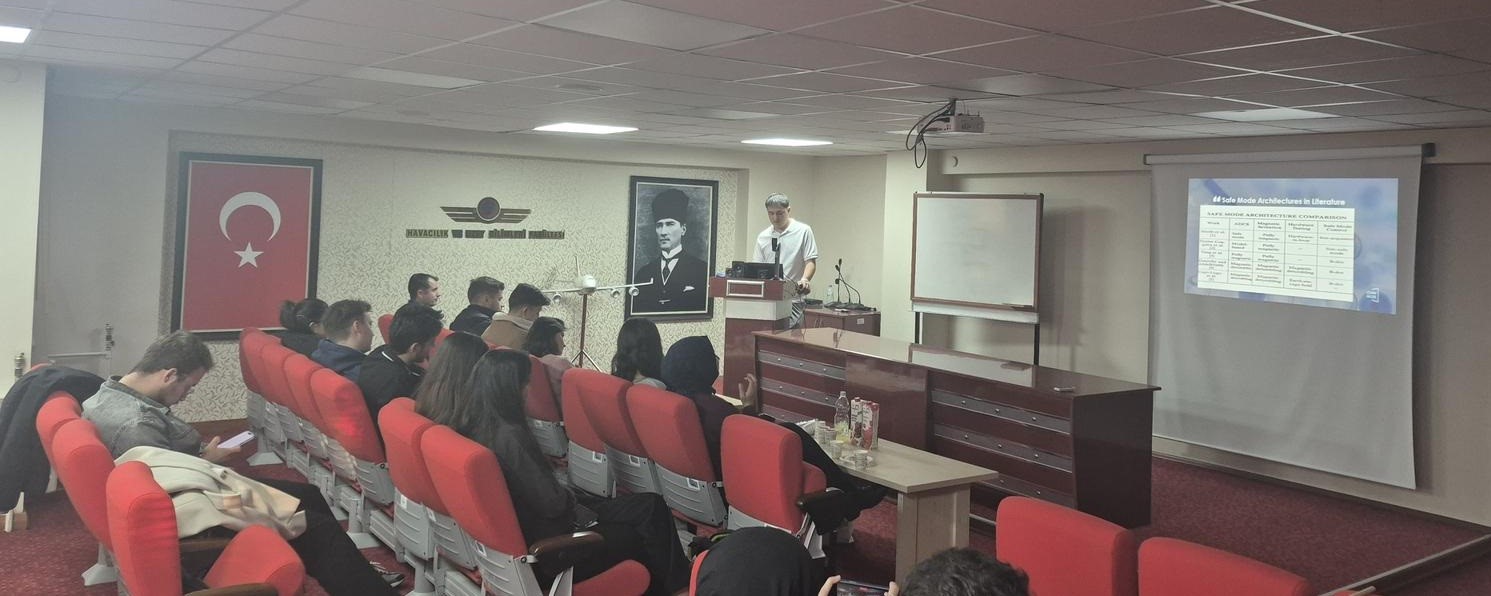
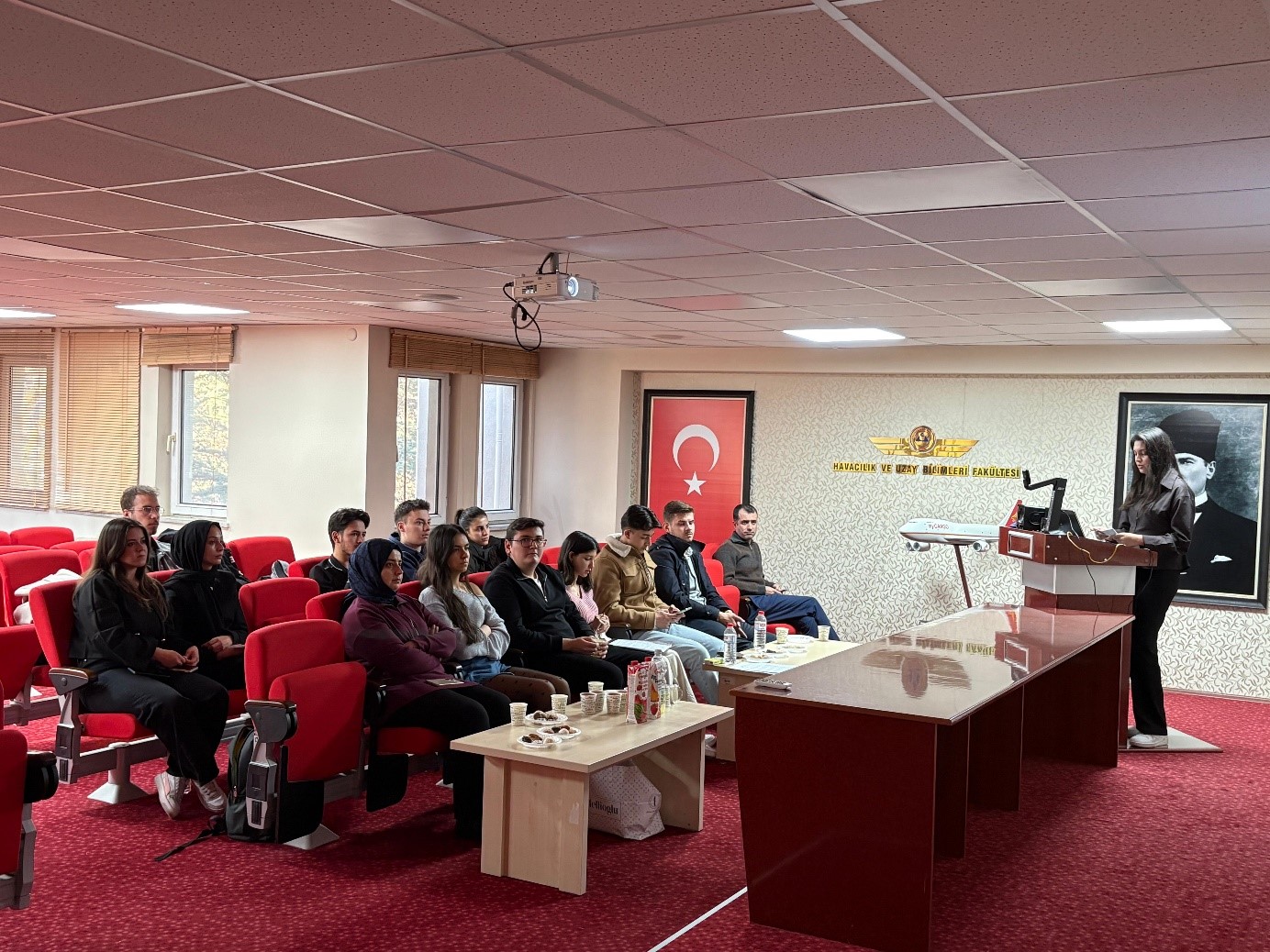
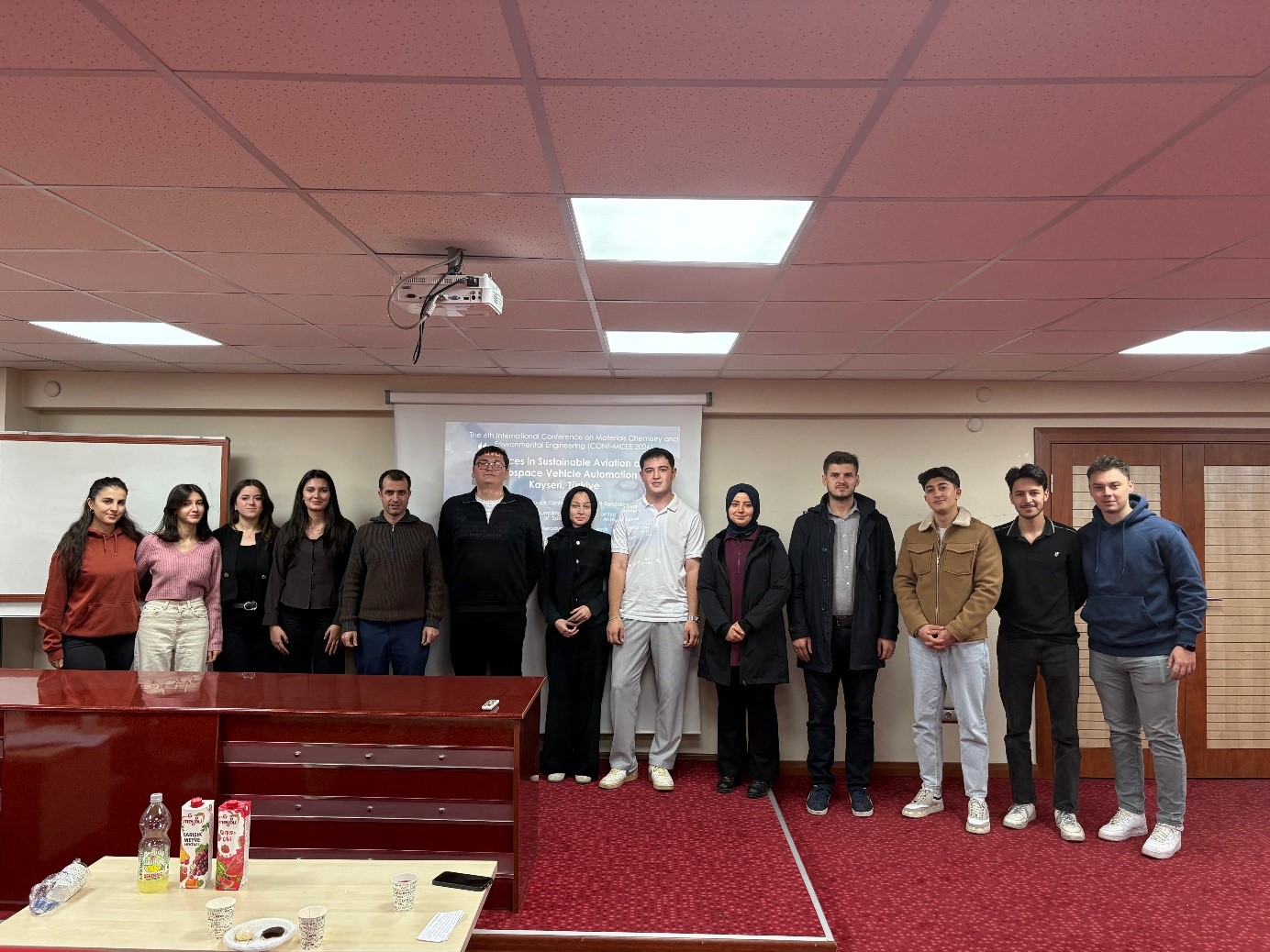
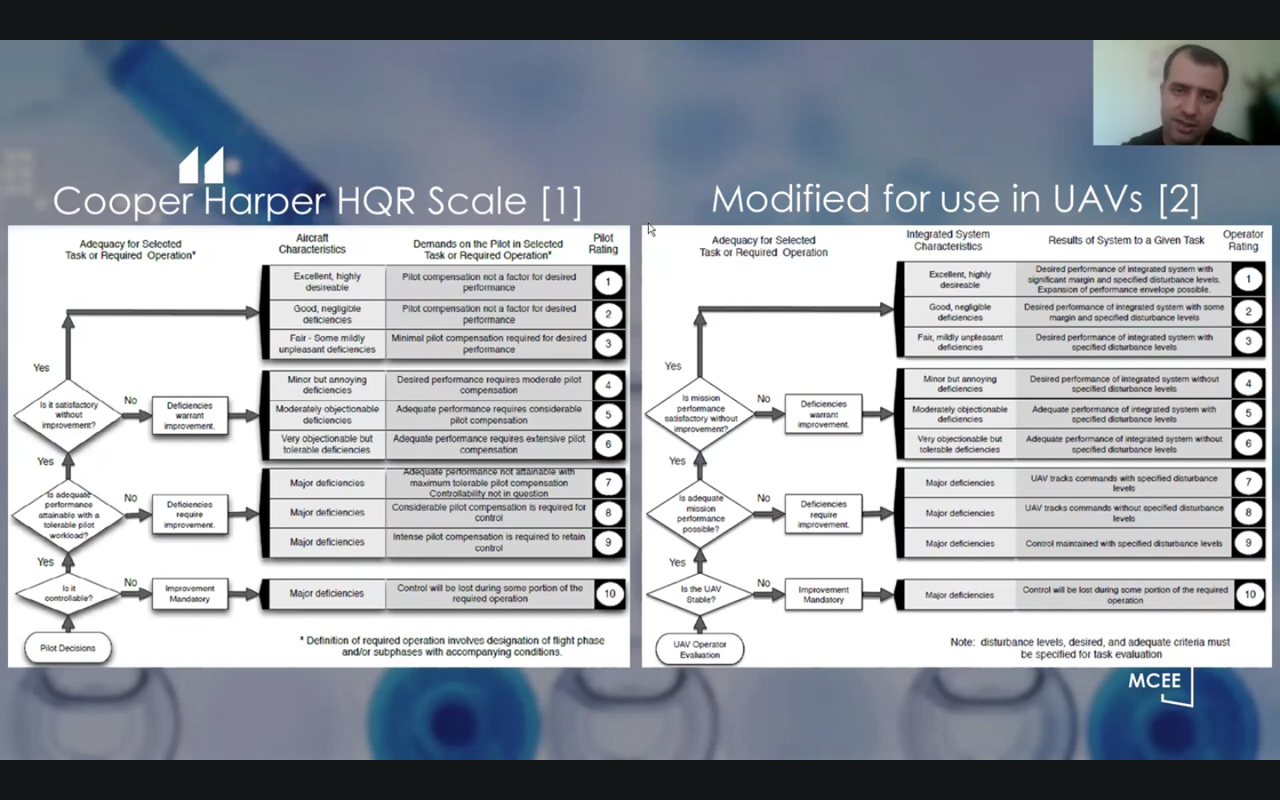
The symposium, 'Advances in Sustainable Aviation and Aerospace Vehicle Automation', took place on 14 November 2025. Preliminary results from six ongoing research projects supervised by Dr Harun Celik were presented. The first study modeled the relative motion of the chaser spacecraft towards the ISS using CW dynamics, PD control and UKF-based estimation. The results demonstrated a stable, spiral-like approach from 1000 m to 100 m, thus validating the effectiveness of the control–estimation strategy. The second study involved the development of an integrated ADCS for a CubeSat, incorporating B-dot detumbling, quaternion-based PD pointing and reaction wheel momentum management. The results show that the system achieves rapid post-launch stabilization and accurate attitude pointing. The third study modeled an antenna azimuth control system through a transfer-function-based Simulink structure, prototyped it, and tested it using PID and fuzzy controllers. The results showed that the real-time performance closely followed the model, with the PID controller offering superior stability. The fourth study evaluated aerodynamic predictions for the Cessna 172 by using a neural network. The results showed that the coefficients corrected using the neural network closely matched the CFD data. The fifth study involved developing a vision-based method to estimate the moment of inertia of UAVs. The system analyses free-swing motion without the need for rigid test rigs, and its accuracy was validated through analytical calculations, CAD modeling and experimental measurements.
Eskisehir Osmangazi University
Symposium Chair: Dr. Ömer Burak Istanbullu, Assistant Professor in Eskisehir Osmangazi University
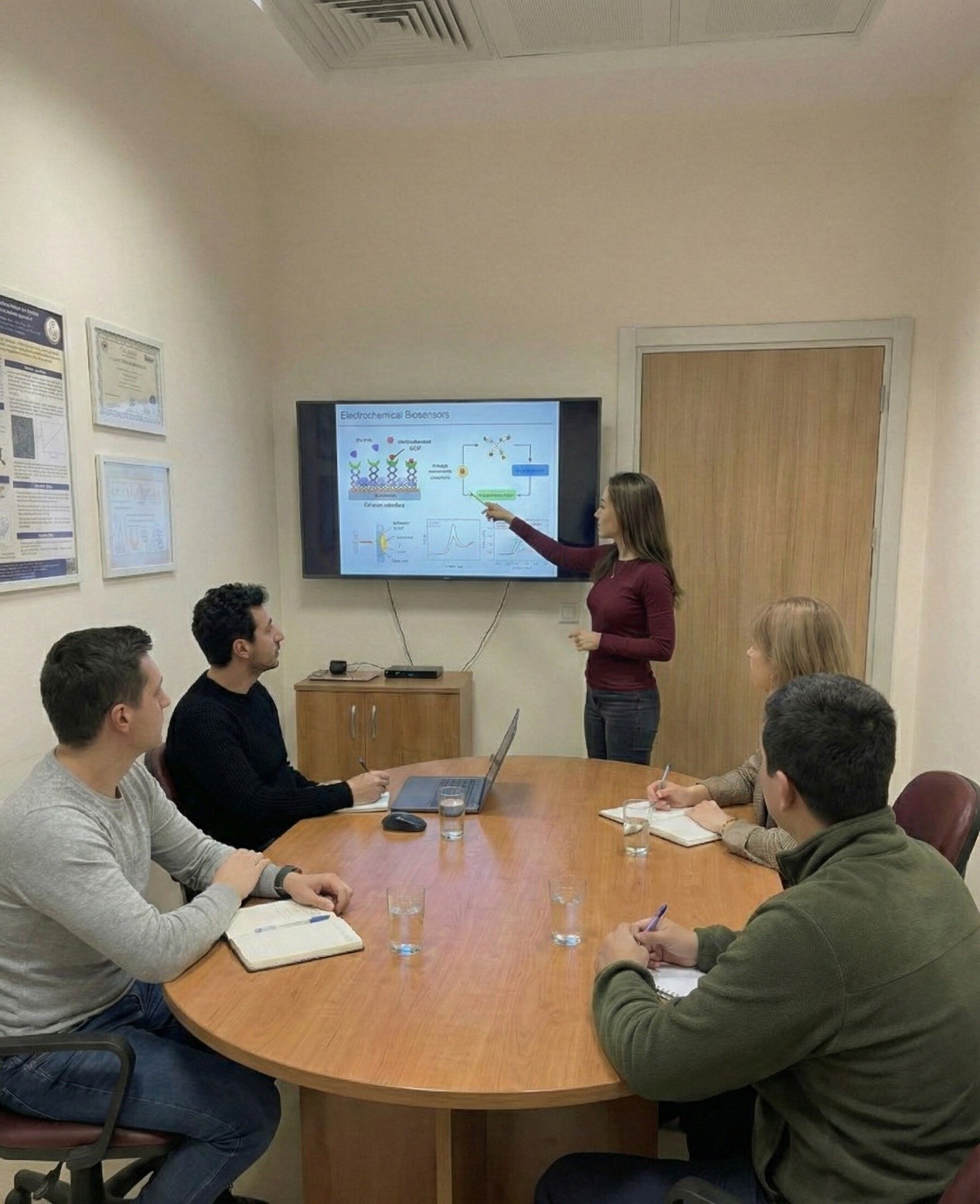
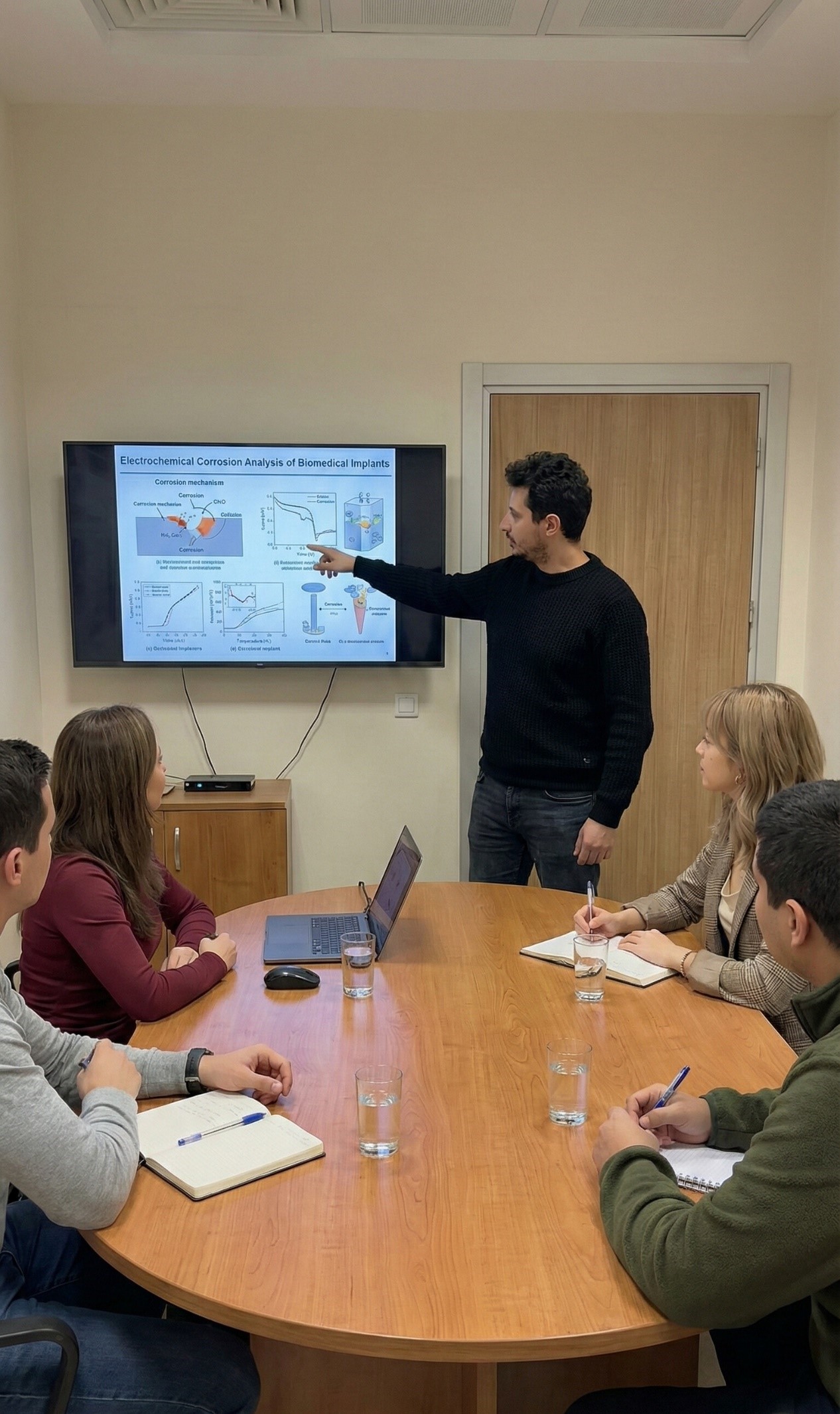
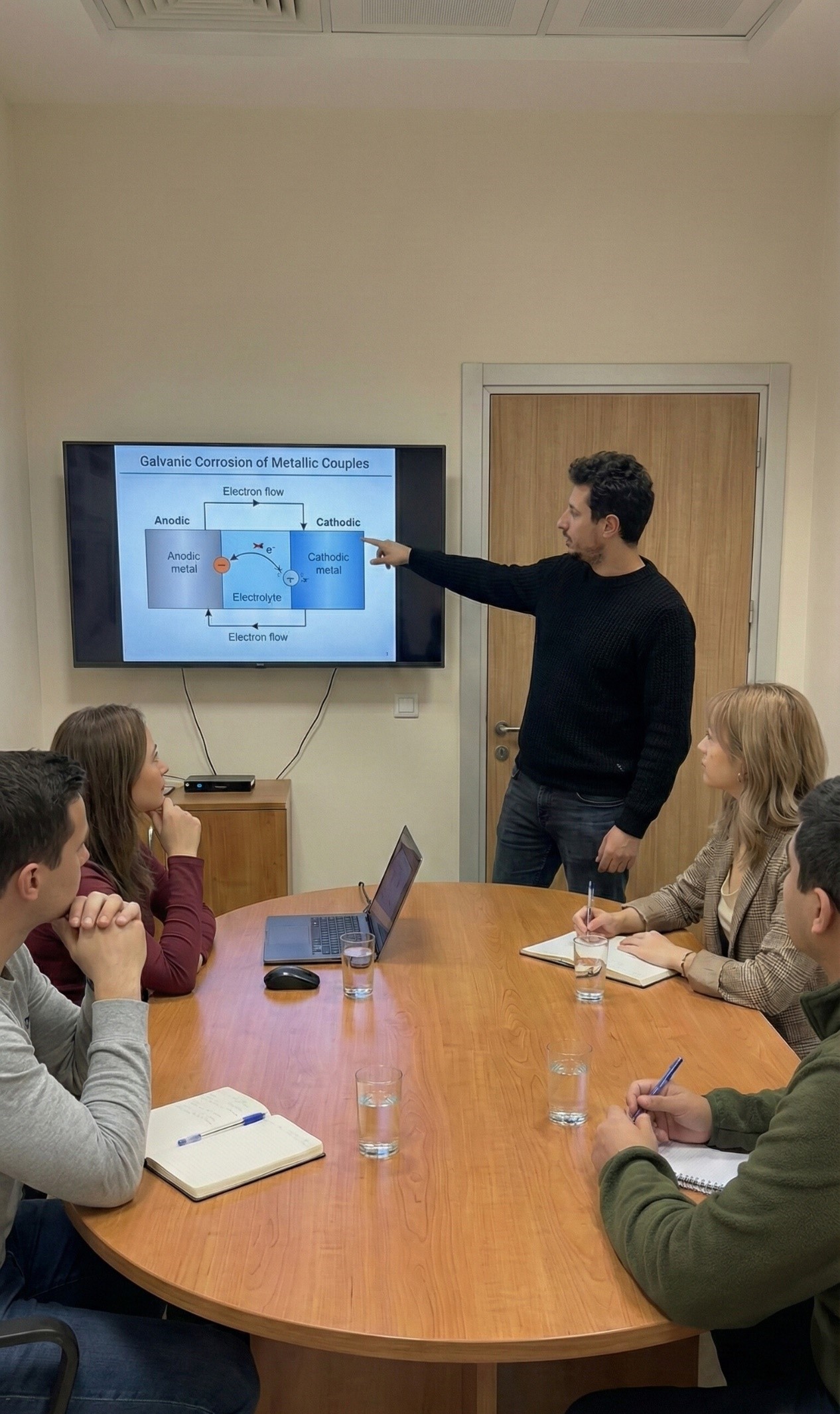
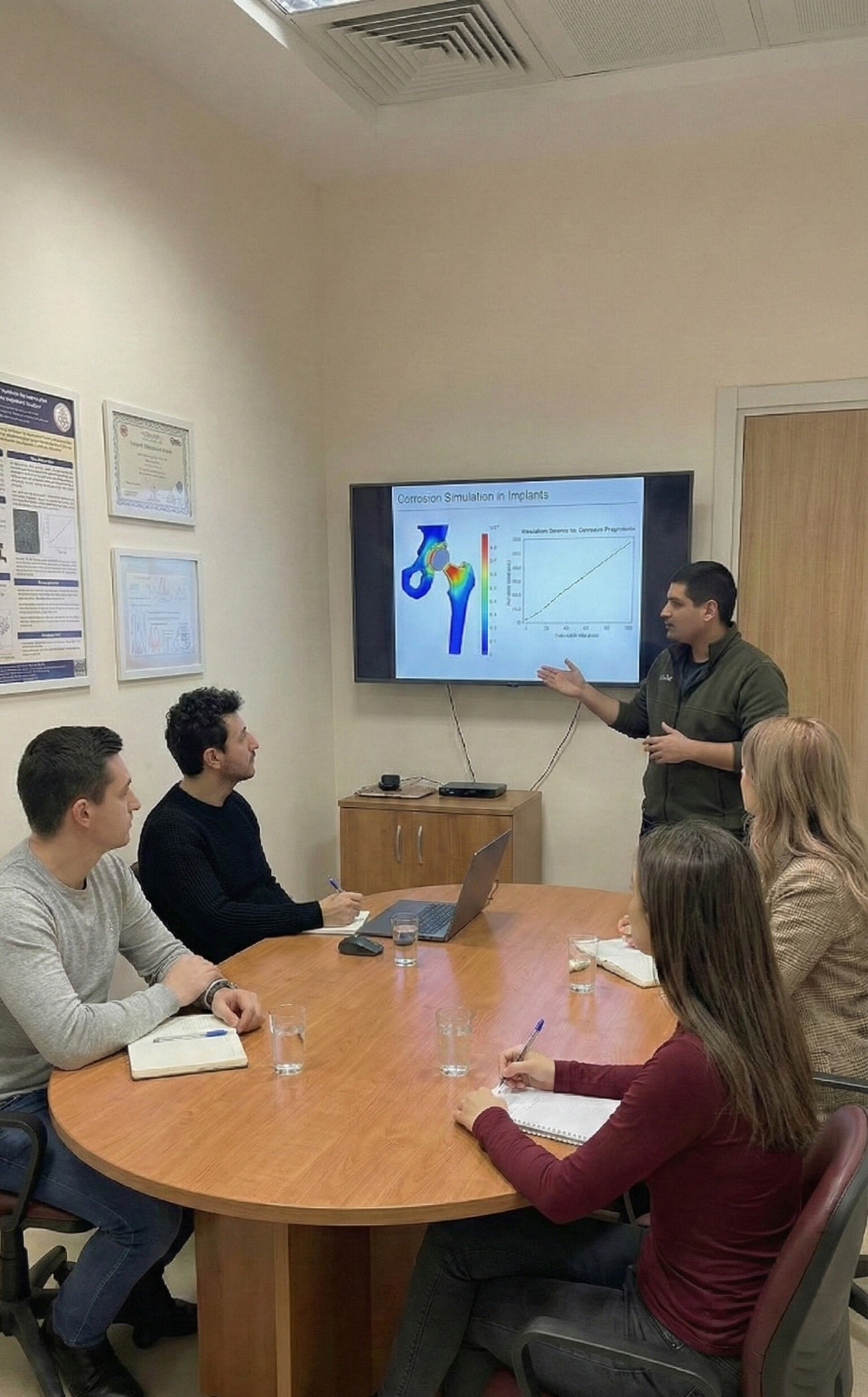
The symposium provided an advanced platform for researchers and scientists working at the interface of electrochemistry, biomaterials, and biomedical device engineering. The sessions focused on contemporary electrochemical strategies for probing structure–property–function relationships in biomaterials exposed to physiologically relevant environments. Research discussions addressed electrochemical degradation kinetics, interfacial charge-transfer phenomena, and surface-mediated reactions governing the long-term stability and performance of metallic, polymeric, ceramic, and composite biomaterials. Particular emphasis was placed on correlating electrochemical response with microstructural features, surface modifications, and functional coatings, enabling mechanistic interpretation beyond conventional assessments of material performance. In addition, significant attention was devoted to electrochemical biosensors and implantable sensing systems, focusing on material selection, interface engineering, and signal stability for real-time monitoring of biological processes and tissue–material interactions. Overall, the symposium reinforced electrochemistry as a high-resolution, mechanism-oriented research framework, supporting the development of next-generation biomaterials and biointegrated devices.
Federation University Australia
Symposium Chair: Dr. Manoj Khandelwal, Associate Professor and Program Coordinator of Mining Engineering
This symposium will focus on advancing knowledge and practical approaches to slope stability through the study of geomaterials, testing methods, and climate-resilient design strategies. Participants will gain insights into how laboratory investigations, field monitoring, and numerical modelling can be integrated to better understand slope behaviour under varying hydro-mechanical and climatic conditions. Specific themes include advanced laboratory testing of soils, rocks, and soil-rock mixtures; coupled hydro-mechanical modelling of slope behaviour; the role of rainfall, groundwater, and extreme weather events in triggering failures; application of numerical and data-driven approaches for slope analysis; and strategies for climate-resilient slope design and monitoring. The symposium will also highlight case studies linking research to practice, offering a platform for knowledge exchange between academia, industry, and government. Participants are encouraged to contribute experiences, methodologies, and innovations that can inform safer and more sustainable slope engineering practices.
Online Session
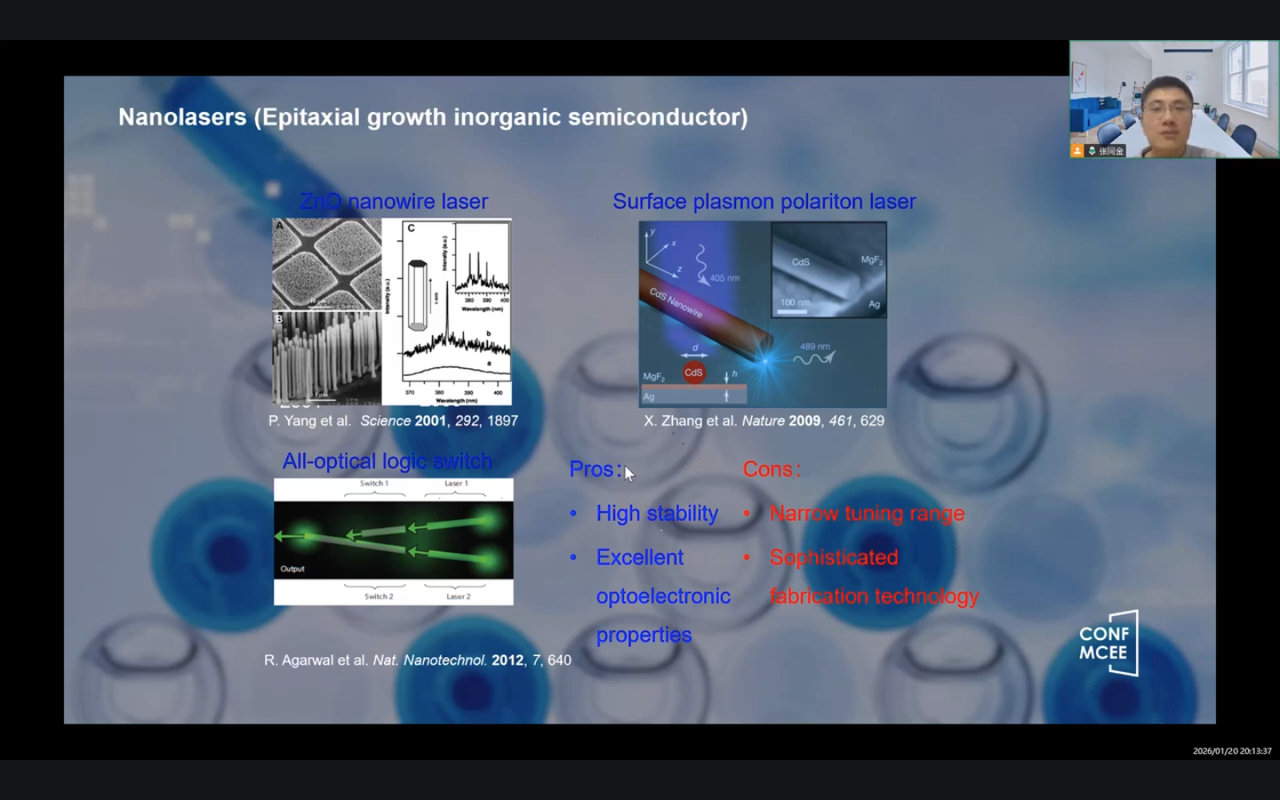
The online session of the 6th International Conference on Materials Chemistry and Environmental Engineering (CONF-MCEE 2026) was held on January 16, 2026. Dr. Harun Celik from Erciyes University, Javier Cifuentes-Faura from Defense University Center, and Dr. Manoj Khandelwal from Federation University Australia have given keynote speech on related topics of materials chemistry and environmental engineering. Also, we invited authors of qualified papers to deliver oral presentations at the online session. Authors have presented their studies of materials chemistry and environmental engineering, etc. Questions from the audience were collected and answered by the presenters.
Highlights


Videos
You can find the Youtube Playlist Here.
Publications
Conference Proceedings
Accepted papers of CONF-MCEE 2026 were published in Conference Proceedings, and were submitted to EI Compendex, Conference Proceedings Citation Index (CPCI), Crossref, CNKI, Portico, Google Scholar, and other databases for indexing. The situation may be affected by factors among databases like processing time, workflow, policy, etc.